

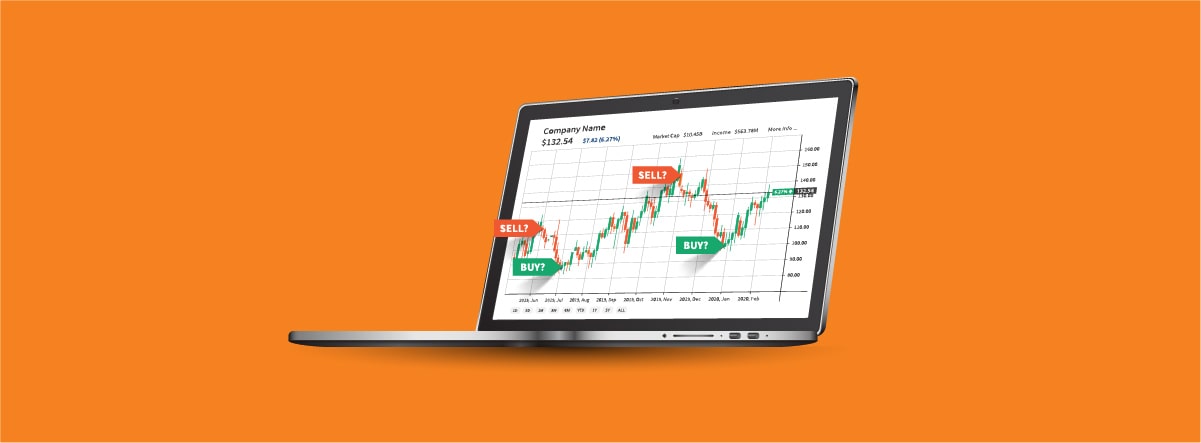
In the fast-paced world of financial markets, trading indicators are essential tools that seasoned traders use to identify opportunities and manage risks. These indicators, derived from historical price and volume data, help traders analyse market trends, predict future price movements, and enhance their decision-making process.
For experienced traders, mastering key indicators is crucial in developing a strategic approach to trading, which can significantly improve profitability. This article will explore the most important trading indicators and how experienced traders can use them to unlock market opportunities.
Overview of Trading Indicators
Trading indicators are statistical tools that traders use to interpret market data, identify trends, and predict price movements. They are typically based on historical price and volume information and are essential for technical analysis. While technical indicators focus on price patterns, fundamental indicators provide insights into the broader economic context that may influence price action.
Experienced traders rely heavily on trading indicators because they help make data-driven decisions, reduce emotional biases, and enhance the precision of trading strategies. With a wide variety of indicators available, knowing which ones to use and how to interpret them is key to success in the market. Read this content for more information.
Technical vs. Fundamental Indicators
Technical indicators are designed to identify price trends and momentum. They are based solely on market price action and volume, providing real-time data that traders use to gauge market sentiment. The core strength of technical indicators lies in their ability to offer signals that are directly related to the market’s current state, allowing traders to act swiftly and precisely.
On the other hand, fundamental indicators provide a macroeconomic perspective on the market. These indicators include key economic data points such as GDP growth, interest rates, inflation, and employment figures.
While fundamental indicators are valuable for understanding long-term trends and shifts in market conditions, they are typically less actionable in the short term compared to technical indicators. Experienced traders, therefore, often prioritise technical indicators for day-to-day trading and use fundamental analysis to inform their broader market outlook.
The Essential Trading Indicators
One of the most widely used indicators is the moving average. The Simple Moving Average (SMA) and the Exponential Moving Average (EMA) are both key tools for assessing market trends. Moving averages smooth out price data over a specific period, helping traders identify whether a trend is bullish or bearish.
Experienced traders use moving averages to spot trend reversals and to determine support and resistance levels. The EMA is particularly useful for traders who want to emphasise recent price data, while the SMA provides a more even representation of price movements over time.
Another crucial indicator is the Relative Strength Index (RSI), which measures the speed and change of price movements. The RSI is often used to identify overbought or oversold conditions in the market. When the RSI is above 70, the asset may be overbought, and when it is below 30, it could be oversold. This makes the RSI an excellent tool for spotting potential reversal points and market corrections.
Finally, volume indicators play a significant role in confirming trends. Volume refers to the number of shares or contracts traded within a specified period, and it can indicate the strength or weakness of a price move. A surge in volume can suggest that a trend is likely to continue, while declining volume may signal a potential reversal or market exhaustion.
Advanced Indicators for Experienced Traders
For experienced traders looking to refine their strategies, advanced indicators offer more nuanced insights into market conditions. One such indicator is the Ichimoku Cloud. The Ichimoku system includes five different lines that provide a comprehensive view of market trends, support and resistance levels, and momentum. While it may seem complex at first glance, the Ichimoku Cloud is highly effective for assessing long-term market trends and identifying potential entry and exit points.
The Average True Range (ATR) is another advanced indicator that measures market volatility. The ATR calculates the range between the highest and lowest price over a given period, providing traders with a gauge of how much an asset typically moves. By incorporating the ATR into their trading strategies, experienced traders can set more informed stop-loss orders and position sizes based on current market volatility.
The Parabolic SAR (Stop and Reverse) is a trend-following indicator that helps traders identify potential reversals in the market. The SAR appears as a series of dots above or below the price chart, depending on the direction of the trend. When the dots are above the price, it indicates a bearish trend, while dots below the price indicate a bullish trend. This indicator is especially useful for capturing trends and determining optimal exit points.
Conclusion
Trading indicators are invaluable tools for experienced traders who want to unlock market opportunities and improve their decision-making process. From the essential indicators like moving averages and RSI to advanced tools like the Ichimoku Cloud and ATR, each indicator offers unique insights into market conditions.
By combining indicators effectively and incorporating solid risk management strategies, traders can enhance their chances of success. As markets evolve, staying informed and continually refining strategies based on trading indicators is key to maintaining a competitive edge.